





On January 31, 2017, President Donald Trump announced that he would nominate Judge Neil M. Gorsuch, of the U.S. Court of Appeals for the Tenth Circuit, for the U.S. Supreme Court. If confirmed, Judge Gorsuch would take up the seat vacated by the late Justice Antonin Scalia, who died last year.
Here’s what you might want to know about Judge Gorsuch:
- Judicial Service: He currently serves as a judge on the U.S. Court of Appeals for the Tenth Circuit. He was nominated for that position by George W. Bush on May 10, 2006, to fill a seat vacated by David M. Ebel. Judge Gorsuch was confirmed by the Senate on July 20, 2006, and received commission on August 8, 2006.
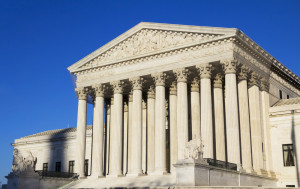 Today, the U.S. Supreme Court handed down its
 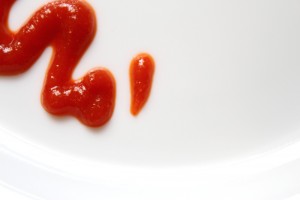 The famously versatile hot sauce Sriracha may be in legal hot water. Its manufacturer, Huy Fong Foods, Inc., is facing a public nuisance lawsuit brought by the town in which its manufacturing facility resides. According to the complaint, odors and irritants from the facility are causing physical harm and discomfort to the residents of the town of Irwindale. The city allegedly received several complaints about the facility and as a result arranged to meet with a representative from the company to address the problem. Although the representative reportedly agreed to take measures to correct the problem, there was no change in the emanation of offensive odors from the factory.
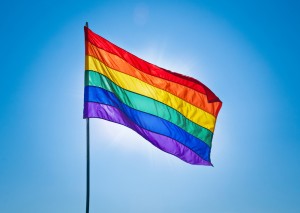 The Missouri Supreme Court, sitting en banc, issued a decision yesterday that, on its face, seems like a defeat for proponents of same-sex marriage in that state. In
  In a recent filing, EveryMD LLC—perhaps best known for its
 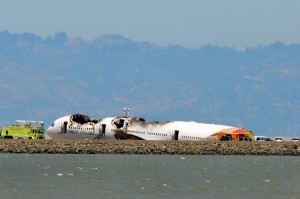 Asiana Airlines announced today that it plans to sue a San Francisco television station for
 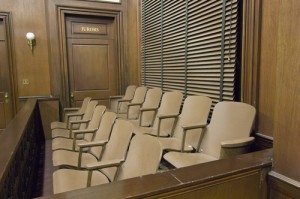 The media has been closely following the criminal trial of George Zimmerman, the racially charged trial in which Zimmerman is accused of murdering teenager Trayvon Martin. Just this week, a jury of six was chosen.
 An agreement between American Express and merchants who accept American Express cards, requires that all of their disputes be resolved by arbitration and provides that there “shall be no right or authority for any Claims to be arbitrated on a class action basis.” The merchants filed a class action, claiming that American Express violated section 1 of the Sherman Act and seeking treble damages under section 4 of the Clayton Act. The district court dismissed. The Second Circuit reversed, holding that the class action waiver was unenforceable and that arbitration could not proceed because of prohibitive costs. The Circuit upheld its reversal on remand in light of a Supreme Court holding that a party may not be compelled to submit to class arbitration absent an agreement to do so.


