 Now that November is in the rear-view mirror, it is time to start planning for the upcoming holiday season. If you are having problems coming up with the perfect gift for your family members or friends, consider the plight of those who have to buy gifts for the man who has everything.
For gifts that are worthy of the Most Powerful Man on Earth, you can browse the lists of gifts received by the President (as well as other federal employees) from foreign government sources for yuletide inspiration: 1993, 1994, 1995, 1999, 2000, 2001, 2002, 2003, 2004, 2005, 2006, 2007, 2008, and 2009.
However, the U.S. Constitution prohibits the President and other persons in office from accepting presents from any King, Prince or foreign State without the consent of Congress. Article I, Section 9, Clause 8. Accordingly, these gifts are disposed of pursuant to the regulations concerning the utilization, donation and disposal of foreign gifts and decorations. 41 C.F.R. § 105-42.5. Most gifts are sent to the Archives, transfered to the General Servies Administration or retained for display or official use.


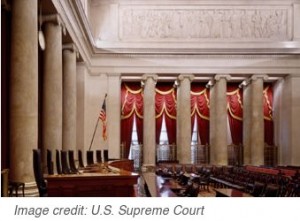 Would televising U.S. Supreme Court proceedings promote transparency in the country’s highest legal institution and help generate public confidence in the judiciary, or would putting the court’s oral arguments on TV or the Internet demean the institution?
 A Brooklyn jury acquitted a man accused of gun possession charges after his criminal defense lawyers discovered a treasure trove of derogatory, racist digital evidence on a Facebook group created by NYPD officers.
 Carrier IQ, a mobile phone software and data analytics company that gives telecoms business intelligence on connections, dropped calls and user behavior was hit with at least eleven consumer
  Last week a New York trial judge denied a defense discovery request for a personal injury plaintiff’s current and historical Facebook, MySpace, and Twitter account information.
 Going to the dentist can be an unnerving experience. It can also feel like you’re getting more than a tooth pulled if you’re asked to give up any rights to critique the dental work you’ve had done, and assign all copyrights to any comments you make about it to…the dentist.
 There’s a bitter legal feud in the
  The U.S. Federal Trade Commission (‘FTC’)


